


Pharmaceutical Technology
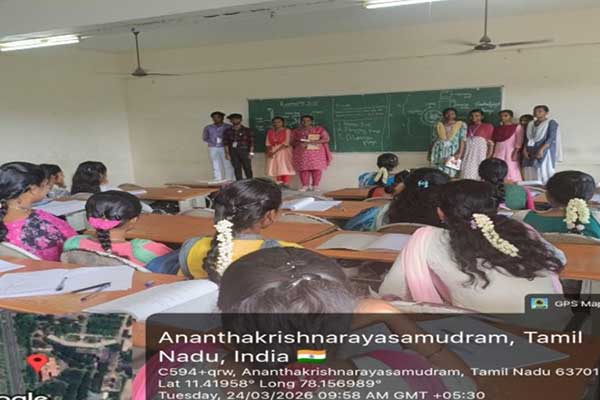
FLUID MECHNAICS – Centrifugal Pump and Reciprocrating Pump
Peer To Peer Learning
Peer-to-peer learning refers to a type of learning where individuals, typically at the same level or with complementary skills, collaborate to teach, share knowledge, and learn from each other. This learning model differs from traditional classroom settings, where information flows from a teacher to students. Instead, it encourages equal participation, with each participant contributing to the learning process.
Outcome
Peer-to-peer (P2P) learning outcomes include accelerated knowledge retention (up to 90% via teaching others), enhanced critical thinking, and improved interpersonal teamwork skills. It fosters increased confidence, motivation, and a positive, personalized learning environment where active participation leads to deeper subject understanding.
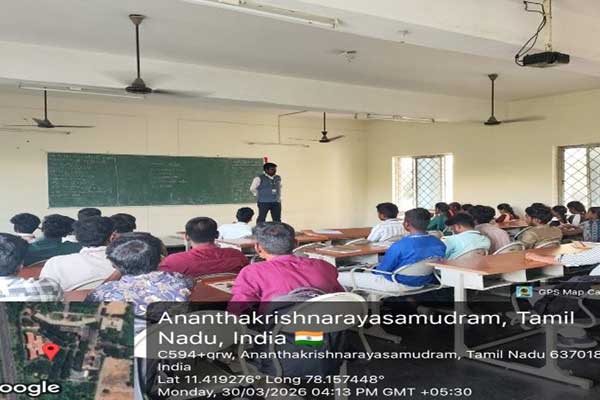
HEAT TRANSFER – Thermal Conductivity
Think Pair Share
Think-Pair-Share (TPS) is a three-step active learning strategy where students first Think individually about a prompt, Pair to discuss ideas with a partner, and Share insights with the class. It boosts engagement, fosters critical thinking, and provides a safe environment for students to refine ideas before contributing.
Outcome
Key outcomes include higher participation rates, increased confidence, and better comprehension of complex topics.
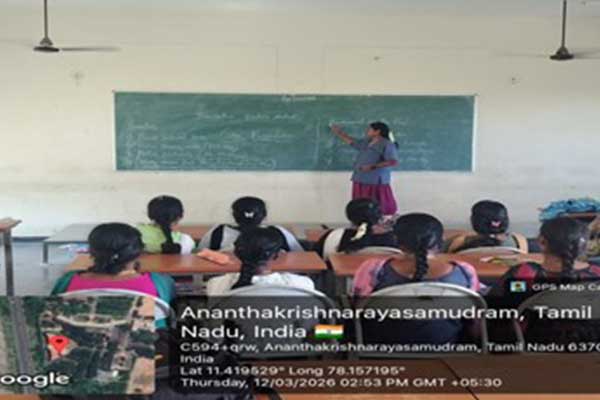
PHARMACEUTICAL WASTE WATER TREATMENT- Biological Treatment
Case Presentation
Case presentation in innovative teaching is a student-centered pedagogical method where learners analyze, discuss, and resolve real-world or simulated scenarios (cases) rather than passively receiving information. This method transforms the classroom by shifting focus from rote memorization to active, experiential learning, often involving collaborative group work.
Outcome
Successful outcomes include improved conceptual understanding, better preparation for real-world scenarios, higher motivation, and improved communication skills, especially when replacing traditional lecturing with interactive strategies like simulation or digital tools.
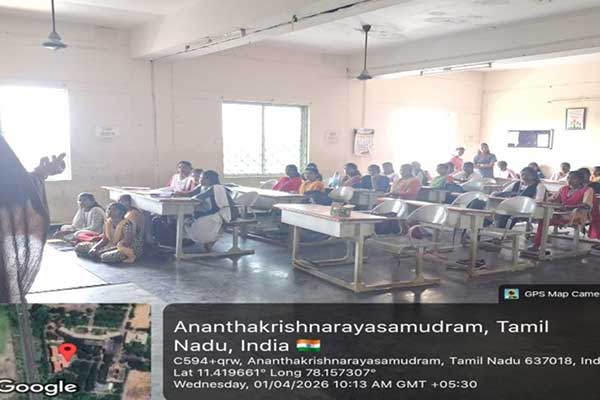
CELL AND MOLECULAR BIOLOGY- Real Time Polimerize Chain Reaction
Jigsaw Method
A jigsaw is a versatile handheld power tool used primarily for cutting intricate curves, shapes, and straight lines in materials like wood, metal, and plastic. It features a narrow, reciprocating (up-and-down) blade that allows for easy maneuvering, making it ideal for detailed work, bevel cuts, and creating holes.
Outcome
Its outcomes include better understanding, improved communication skills, increased participation, teamwork, responsibility, and enhanced critical thinking.

PHYSICAL PHARMACEUTICS- Dipersion and PH Value
Experimental Activity based learning
Experimental Activity-Based Learning (ABL) is a pedagogical approach where students acquire knowledge through active, hands-on experiences, direct observation, and experimentation rather than passive listening. It emphasizes “learning by doing,” fostering critical thinking, and deeper understanding through structured activities, simulations, and reflection.
Outcome
Experimental activity-based learning outcomes foster a deeper, more enduring understanding of concepts by moving beyond theoretical knowledge to practical application, nurturing critical thinking, creativity, and problem-solving skills through hands-on engagement.

BIOPHARMACEUTICALS AND PHARMACOKINECTICS- Bioavailability and Bioequilence
Blended learning
Blended learning is an innovative educational approach that combines traditional in-person classroom instruction with technology-mediated online learning, allowing students some control over time, place, and pace. It integrates online and face-to-face experiences, fostering personalized learning, increased engagement, and improved student flexibility.
Outcome
Blended learning improves student outcomes by combining in-person instruction with online flexibility, resulting in higher engagement, better retention, and increased, often self-paced, academic performance.