Computer Science and Engineering
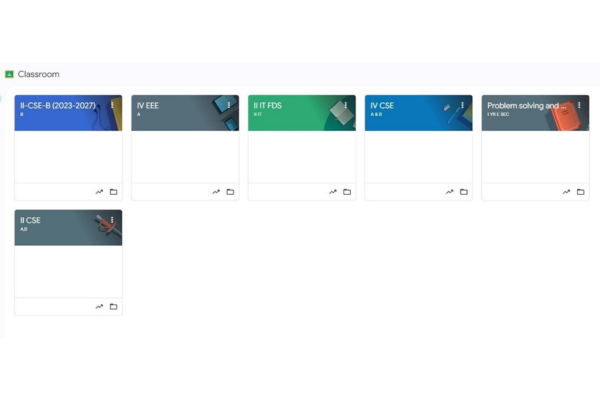
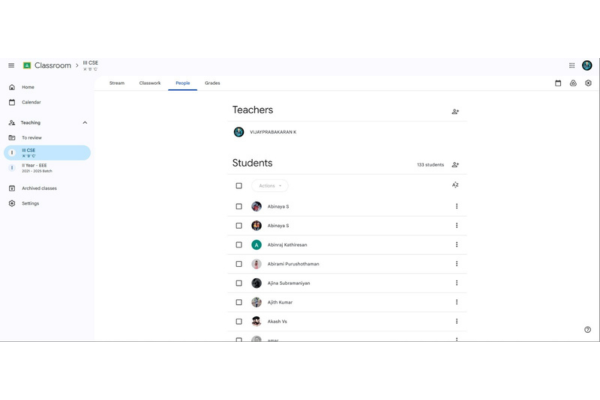
Google Classroom is a web-based learning management system (LMS) developed by Google. It is designed to simplify creating, distributing, and grading assignments in an online environment. It supports digital learning by connecting teachers and students in a virtual classroom.
The use of Google Classroom enhances digital literacy, improves teaching efficiency, and promotes an interactive, student-centered learning environment.
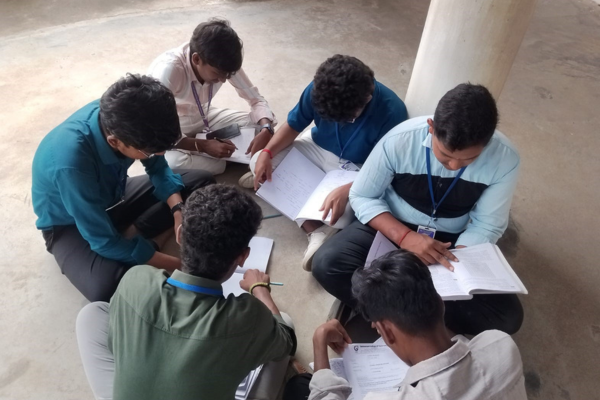
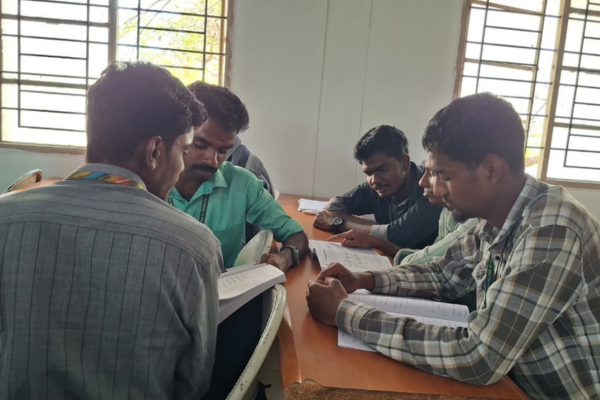
Small group learning is a teaching-learning approach in which students interact with each other in small groups to discuss concepts, solve problems, and complete tasks collectively.
Encourages all students to engage actively in learning rather than passive listening, Students take initiative, lead discussions, and assume responsibility within the group.
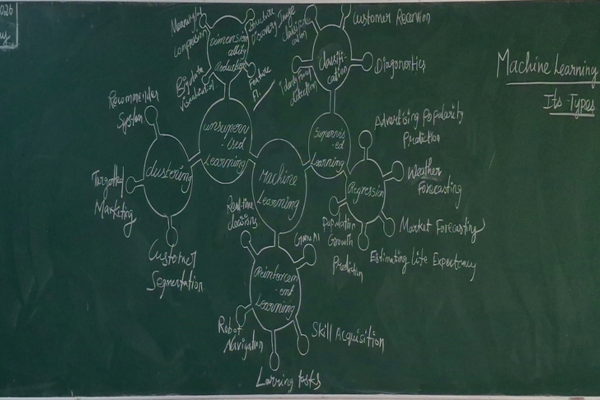
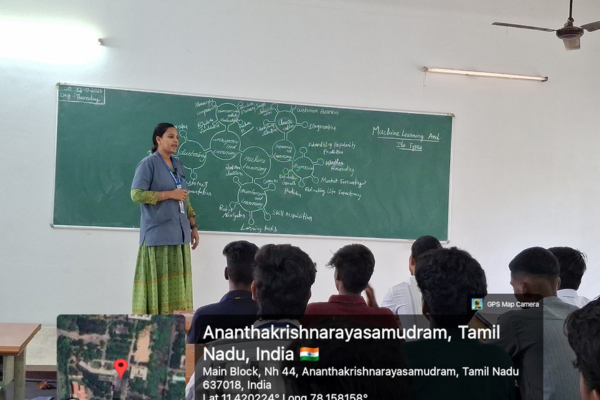
Mind mapping is a graphical method of representing ideas and concepts where information is arranged around a central theme in a branching structure.
Mind Mapping is a powerful learning strategy that enhances understanding, creativity, and retention. It is widely used in education, business, and personal planning for effective knowledge management.
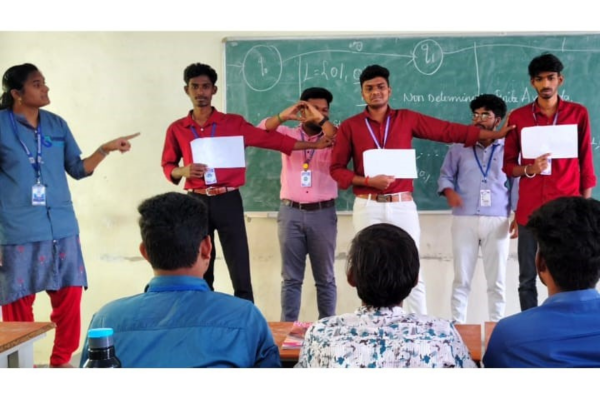
Role-play is an active, immersive teaching strategy where students assume characters to act out scenarios, boosting engagement, empathy, and critical thinking. It transforms passive learners into active participants by simulating real-world situations, such as negotiations or historical events. Effective, innovative role-play involves a Setup (assigning roles), Action (conducting the scenario), and a crucial Debrief to discuss learning outcomes.
The primary outcome of the role-play innovative teaching method is to transform students from passive recipients into active participants by simulating real-world scenarios. This method bridges the gap between theoretical knowledge and practical application, fostering deep learning and significant improvement in both social and cognitive skills.