Artificial Intelligence and Data Science
Mind Mapping is a powerful learning strategy that enhances understanding, creativity, and retention. It is widely used in education, business, and personal planning for effective knowledge management.
STEP 3: Teach the home group
STEP 2: Meet in “Expert Groups”
STEP1: Form homegroups and assign subtopics
Using the Think–Pair–Share method, students first think individually about problem types like Important Problems, the N-Queens Problem, and Branch and Bound techniques. Then they pair up to discuss their approaches and compare solutions.
Finally, pairs share their insights with the class, refining understanding through discussion. The outcome is stronger problem-solving skills, clearer concepts, and improved confidence in algorithmic thinking.
STEP 3: Share (Group Discussion)
STEP 2: Pair (Peer Discussion)
STEP 1: Think (Individual Reflection)
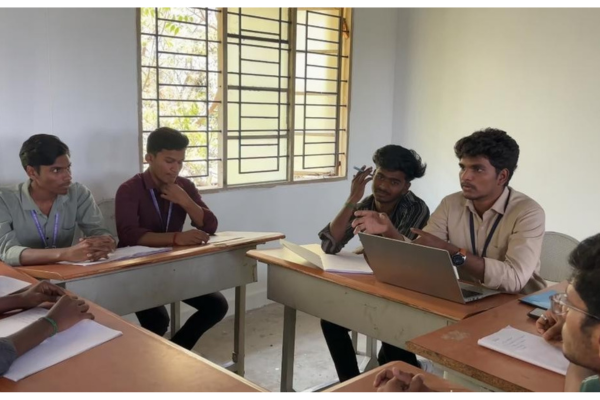
In Peer-to-Peer Learning, students explain Supervised Learning and Unsupervised Learning concepts to each other in small groups. Each learner shares examples (like classification vs clustering) and clarifies doubts collaboratively. This mutual teaching strengthens understanding through active discussion and real-life connections. The outcome is better concept clarity, communication skills, and deeper retention of machine learning basics.
STEP 3: Finally review about the discussed topic from students
STEP 2: Active Interaction and Knowledge Exchange
STEP 1: Preparation and Goal Setting
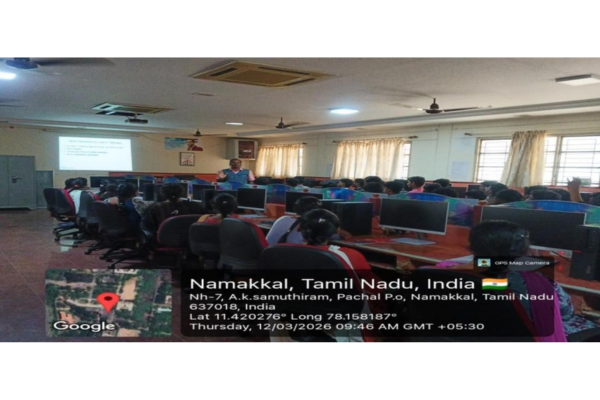
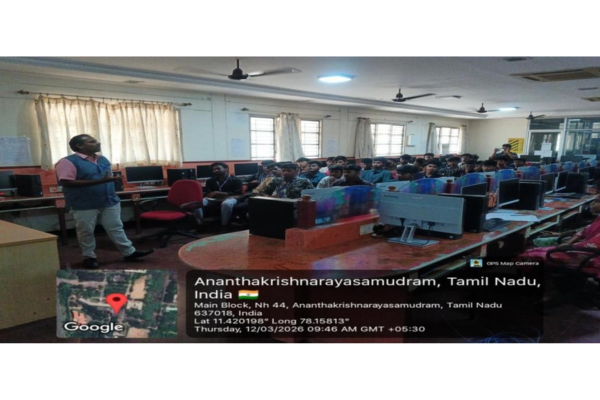
Using Simulations & Virtual Labs, students practice Tableau software execution in a guided, hands-on virtual environment. They simulate real-world tasks like data importing, visualization, and dashboard creation. This interactive approach helps them learn by doing and experimenting safely. The outcome is improved practical skills, better understanding of data visualization, and increased confidence in using Tableau.
STEP 3 : Simulation and Execution
STEP 1: Preparation and Setup
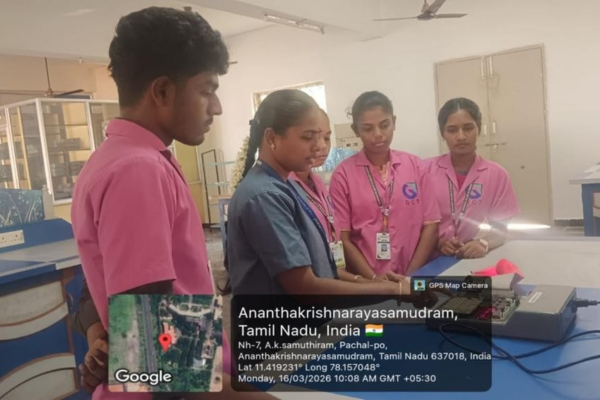
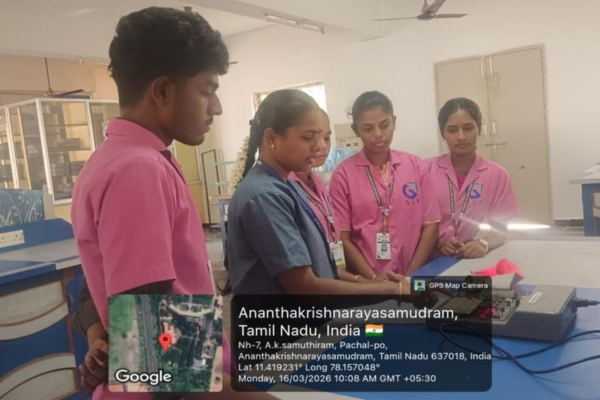
Using Application-Based Learning, students work on real projects involving the 8085 Microprocessor, such as programming simple arithmetic or interfacing with sensors. By applying theory to practical tasks, they see how instructions, registers, and memory work in real scenarios. The outcome is enhanced hands-on skills, deeper understanding of microprocessor operations, and improved problem-solving ability.
STEP 2: Teamwork and Communication
STEP 1: Preparation and Knowledge Acquisition, Improved Innovation and Problem-Solving